Spring Management Techniques for Tea Plants
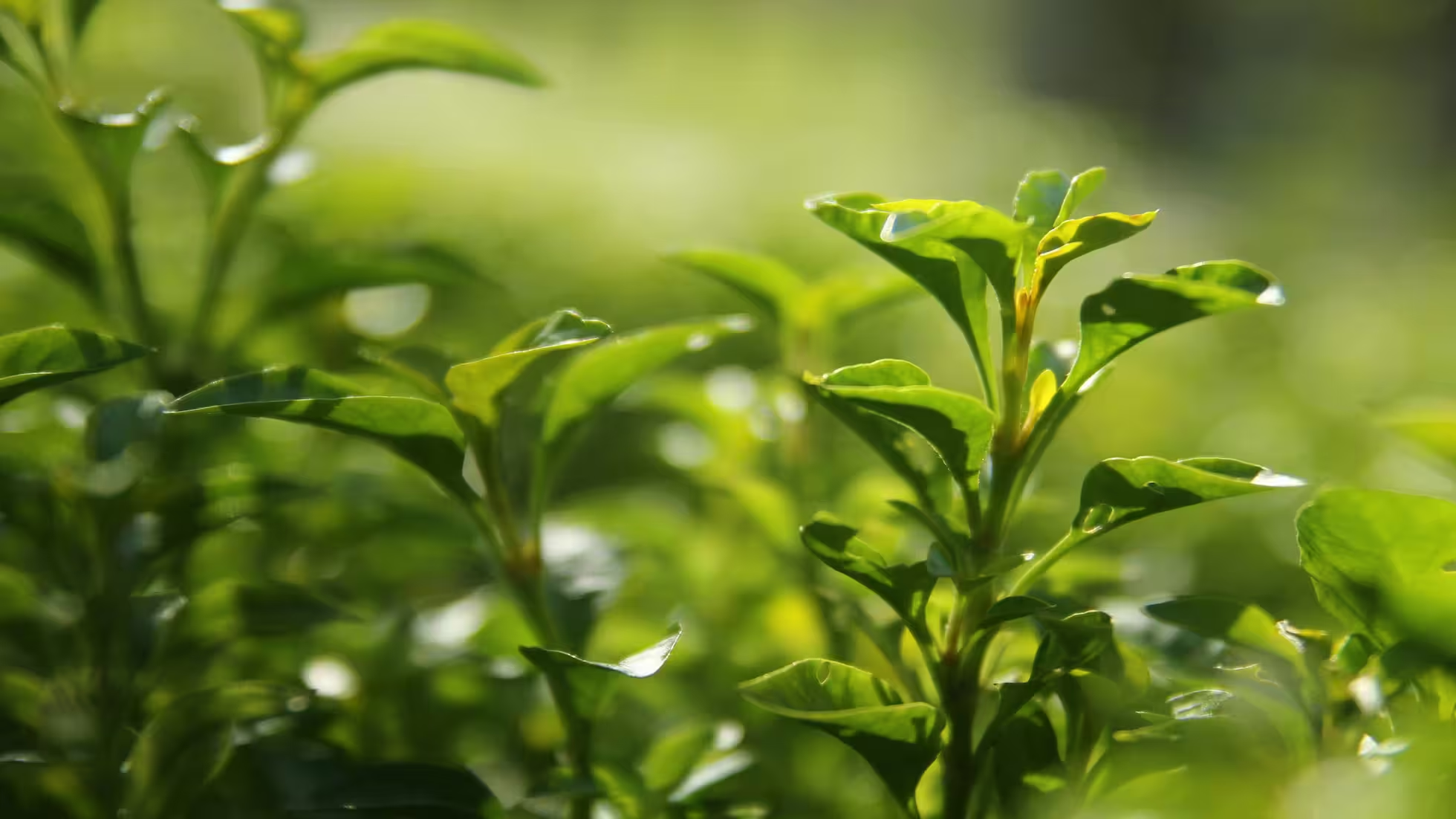
Spring Management Techniques for Tea Plants With the arrival of spring, the earth awakens, temperatures rise, and flowers bloom—tea plants are no exception as they begin to bud. To ensure early, healthy growth and improve yields, it is essential to implement proper spring field management for tea plants. Topics: AgTech, Planting.
1. Irrigation
If there has been a prolonged dry spell with no rain, it is essential to supplement the tea plants with water. Start by pruning the tea plants to remove dead branches and leaves from the previous winter, as well as any pest-infested or disease-ridden branches. After pruning, irrigate the tea garden, as water is a crucial medium for nutrient transportation. This will help transport nutrients from the soil to the branches, buds, and leaves. Water also assists in diluting the nutrients, making them easier for the tea plant to absorb.
2. Tillage and Fertilization
Due to the compaction caused by foot traffic during last year’s harvest and rainwater erosion, the soil may become hard. In spring, it is necessary to plow and loosen the soil. This, combined with fertilization, promotes microbial activity in the soil and improves the absorption of moisture and nutrients. For fertilization, apply nitrogen-rich fast-acting fertilizers at a rate of 40 kg/acre. Also, apply organic fertilizers at a rate of 30–40 kg/acre, as they are rich in trace elements that improve the quality and yield of tea. When fertilizing, ensure even distribution and apply the organic fertilizer in a circular trench around the tea tree, specifically around the tree crown and near the drip line.
3. Harvesting
Timing is critical for tea leaf harvesting. Harvest when the bud and leaf emergence rate of the entire tea garden reaches 15%. Early-emerging buds should be harvested first, while later-emerging buds can be picked later. The focus during processing should be on producing high-quality tea to capitalize on the early market, thereby increasing economic returns.
4. Pest and Disease Control
Tea plants are susceptible to various pests and diseases, with the small green leafhopper being one of the primary concerns. Local agricultural departments recommend the use of specific pesticides for effective pest control.