Fresh Spring Edamame Flowering, Pod Set, and Field Monitoring in the Plum Rain Season
Fresh Spring Edamame Flowering, Pod Set, and Field Monitoring in the Plum Rain Season In mid-June, fresh spring edamame in Hangzhou and the northern Yangtze Delta enters the key flowering, pod-setting, and early filling window. This guide focuses on drainage, pod-stage fertilization, moisture control, pest scouting, and digital field monitoring. Topics: AgTech, Planting, Smart Agriculture, Solutions.
In mid-June, fresh spring edamame around Hangzhou, Jiaxing, and the northern Yangtze Delta is moving through the key stage from flowering into pod set and early filling. Three risks matter most now: waterlogged beds during plum rain, poor timing between pod fertilizer and irrigation, and delayed scouting that lets aphids, armyworms, and anthracnose spread. Current management should connect drainage, topdressing, pod protection, and monitoring in one sequence.
1. Clear beds and outlets first so the field never stays saturated after rain
Both the Zhejiang fresh spring soybean standard and Hangzhou’s recommended production guide put drainage first. Check ridges, side ditches, and field outlets now, and remove standing water as soon as rain stops. The target soil condition is moist but not sticky underfoot. If the root zone stays waterlogged, nodulation weakens and pod set drops quickly.
2. Split pod-stage fertilizer across flowering and pod set so pod retention stays steady
The Jiaxing local standard recommends three pod-stage topdressings: 10 kg/mu of compound fertilizer at flowering, 20 kg/mu at pod set, and 15 kg/mu of urea at filling. Hangzhou’s provincial guide also stresses heavier fertilization during flowering and pod setting. For fields already in bloom, adjust by leaf color and vigor: hold nitrogen back in lush fields and combine balanced compound fertilizer with a small amount of quick nitrogen where plants are weak.
3. Keep the field moist through flowering and pod set, but do not flood it
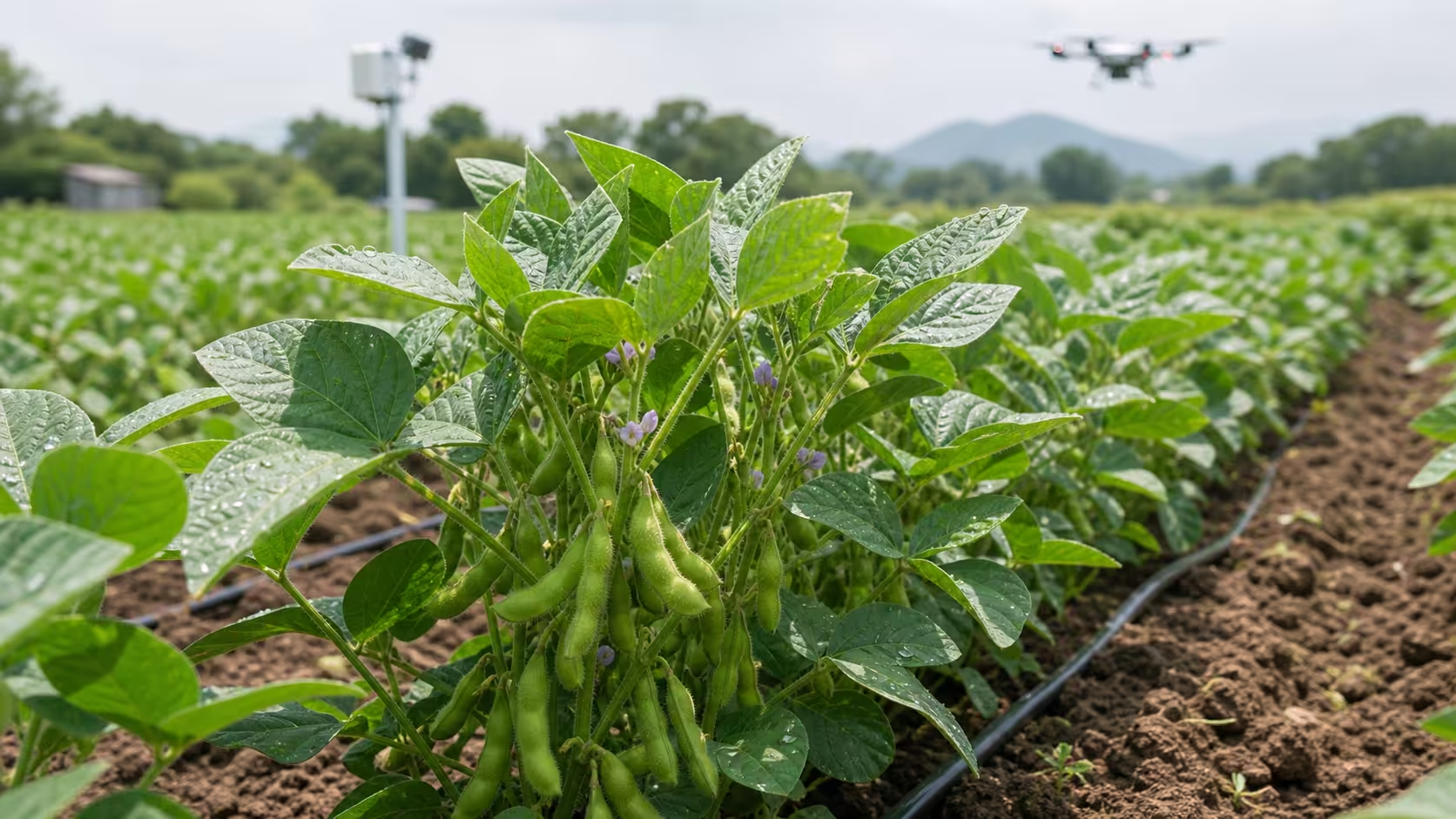
Fresh edamame needs stable moisture at flowering, pod set, and filling, but it does not tolerate long flooding. During hot dry spells, irrigate only to ditch level in the early morning or evening, then drain once the ridge is fully wetted. Drip-irrigated fields should use shorter, repeated events instead of one heavy soak so irrigation and fertigation stay synchronized.
4. Scout aphids, beet armyworm, common armyworm, pod borers, and anthracnose before and after rain
The Zhejiang standard lists aphids, beet armyworm, common armyworm, pod borers, virus disease, and anthracnose among the main threats. Check tender shoots, flower clusters, lower leaves, and young pods first. When pressure is still low, use pheromone traps, light traps, ventilation, and biological products before moving to broad chemical coverage. Once thresholds are reached, rotate registered products and treat the affected zones precisely.
5. Put drainage status, pod-fertilizer batches, and pest images into one field ledger
The most useful digital data for edamame now are ditch water level or soil moisture, each fertilization batch, field photos from flowering to filling, and pest images. Zhejiang’s recent soybean work has also linked fresh soybean production with mechanized and simplified field operations, and Haiyan has introduced Jiaxing’s first fresh soybean harvester. When water gauges, simple moisture sensors, phone scouting photos, and drone rechecks all sit in one ledger, later fertilizer decisions, pest follow-up, and harvest scheduling become much more reliable.
6. Follow the order of drainage, topdressing, pod protection, and early warning to stabilize marketable pods
Keep the order clear over these days: drain excess water first, then topdress according to flowering and pod-setting progress, maintain even moisture, and complete pest scouting plus equipment records. When the sequence is right, pod set stays more concentrated, filling is more uniform, and both marketable pod rate and mechanical harvest efficiency improve.