Kiwifruit Fruit Expansion and Smart Orchard Monitoring in the Plum Rain Season
Kiwifruit Fruit Expansion and Smart Orchard Monitoring in the Plum Rain Season Around June 12, 2026, kiwifruit orchards in Hangzhou and the wider Yangtze Delta enter the key window for early fruit expansion and summer canopy work. This guide focuses on drainage, potassium and calcium topdressing, light summer pruning, disease scouting, and smart orchard monitoring. Topics: AgTech, Planting, Smart Agriculture, Solutions.
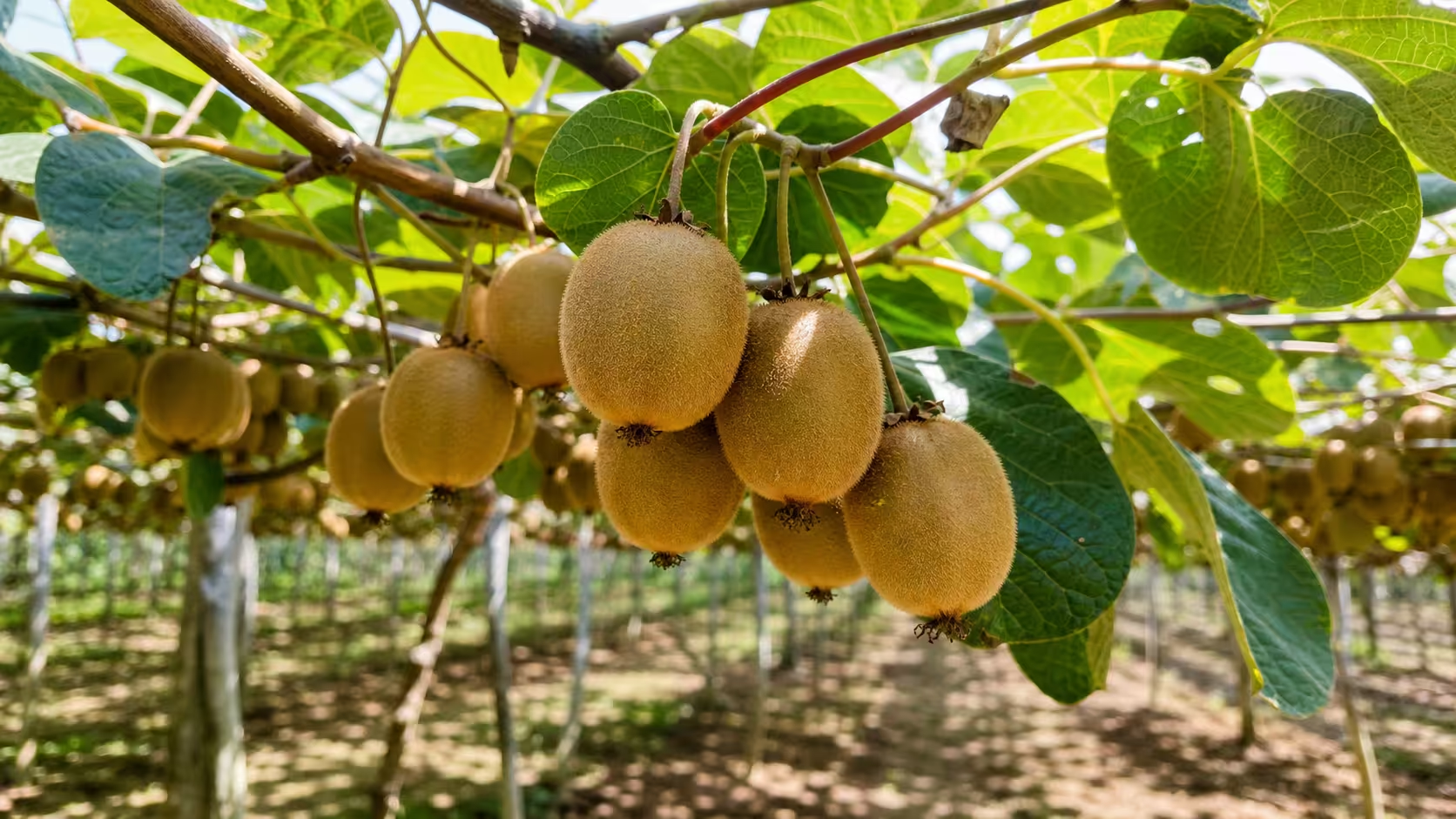
In mid-June, kiwifruit orchards in the hills around Hangzhou and nearby Yangtze Delta mountain areas are in the critical stage of fruit expansion, vigorous shoot growth, and alternating rain and heat. Three risks matter most now: slow drainage that weakens roots, unbalanced fertilization that drives cracking, and delayed scouting that lets leaf spot, gray mold, and mites spread across the block. Current work should connect water, fertilizer, canopy, and monitoring in one sequence.
1. Stabilize soil moisture and drainage first so roots are never waterlogged or suddenly dry
Fruit expansion needs steady moisture, but roots suffer quickly after standing water. Clear side ditches, cross ditches, and outlets before long rain, then remove surface water as soon as showers stop. On slopes, check erosion channels; on flat ground, check the tree row. Irrigate only after the soil begins to dry on the surface. Avoid alternating heavy flooding with long dry gaps.
2. Apply potassium and calcium after the second physiological drop and keep the fertilizer band away from the trunk
Topdressing now should support fruit expansion and stable tree vigor. Open a shallow strip along the row, place a high-potassium compound fertilizer or formula blend about 50 cm away from the trunk line, and cover it with soil. Weak trees can take a small amount of nitrogen, while vigorous blocks should hold nitrogen down to prevent excessive shoot growth. For foliar feeding, use registered potassium phosphate or calcium products and avoid hot hours and rain fronts.
3. Remove dense and weak summer shoots so the canopy breathes without exposing fruit to sunburn
Kiwifruit shoots grow fast in June. Remove crowded shoots, weak shoots, diseased shoots, fruit-rubbing shoots, and overly upright watersprouts, but do not over-prune in one pass. The target is filtered light on the fruit with enough leaf cover to prevent sunburn. Where tying is available, spread the retained fruiting shoots flat on the trellis so scouting and spraying stay efficient.
4. Check leaf spot, gray mold, and mites separately, then recheck young fruit and leaf undersides after rain
After rain, inspect the underside of leaves and the fruit zone first, then look at diseased leaves, dropped fruit, and bagging-sensitive areas. Leaf spot, gray mold, and mites usually appear first in humid, crowded, or weak orchards. When pressure is light, remove infected tissue and lower humidity through ventilation. Once thresholds are reached, rotate registered products and avoid spraying from 10:00 to 18:00 in hot weather. Keep spray tools separate from herbicide equipment.
5. Put drip irrigation, weather, pest scouting, and fertilization records into one orchard ledger
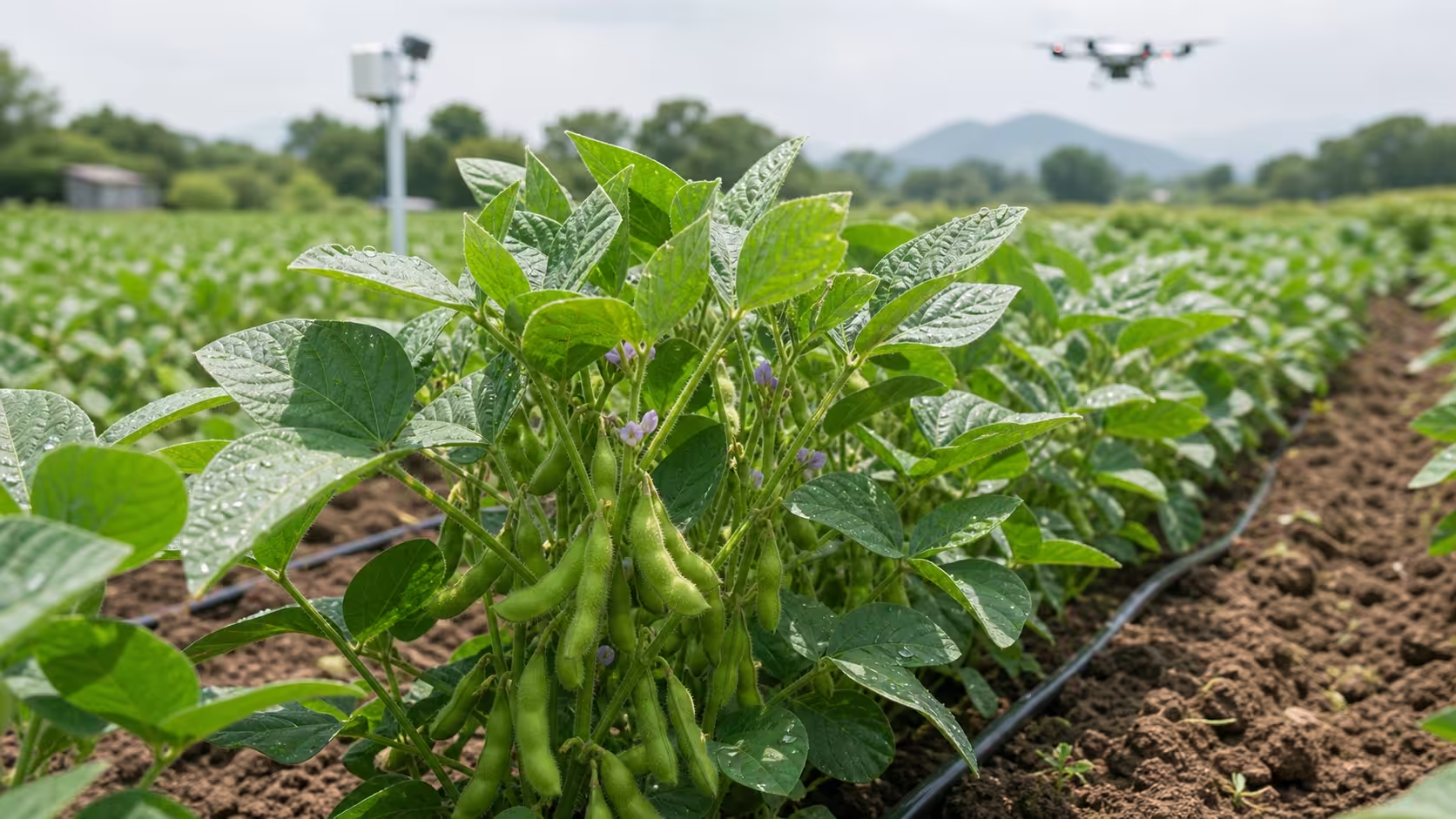
The most useful digital orchard data now are soil moisture, air temperature and humidity with rainfall, pest and disease images, and each irrigation or fertilizer record. When a block links drip valves, a small weather station, insect monitoring, and phone-based scouting images in one ledger, managers can quickly decide which area drains first, which area needs fertilizer first, and where disease is starting. Drones or air-assisted sprayers are useful for post-rain review and zoned treatments.
6. Follow the sequence of root protection, fruit-feeding, canopy opening, and early warning through the young-fruit stage
Keep the order clear over these days: secure drainage and soil moisture first, then topdress for fruit expansion, carry out light summer pruning, and finally complete disease, pest, and equipment records. When the order is right, fruit enlarges more evenly and cracking, sunburn, and spotting stay lower, giving the orchard a stronger base for the next expansion stage and final quality.
References
- Shaanxi Department of Agriculture and Rural Affairs: Kiwifruit young-fruit pest and disease control in Meixian
- Shaanxi local standard: Technical specification for mechanized kiwifruit production
- China Agricultural Information Network: Technology leads the kiwifruit industry toward smarter development
- China Agricultural Information Network: Guiyang links agriculture with big data for smart management
- Weibin District Government: Key points of summer kiwifruit management