Loquat Postharvest Summer Shoot and Bloom Timing Guide
Loquat Postharvest Summer Shoot and Bloom Timing Guide Mid-June is the postharvest recovery window for loquat orchards around Hangzhou and southern Zhejiang. This guide focuses on summer pruning, split fertilization, shoot control, rainy-season scouting, and digital monitoring. Topics: AgTech, Planting, Smart Agriculture, Solutions.
By mid-June, most loquat orchards around Hangzhou and in southern Zhejiang have finished harvest. Management now shifts from picking fruit to rebuilding canopy strength, managing summer shoots, and preparing next season’s bloom. Three risks stand out: delayed pruning that leaves the canopy crowded, heavy one-time fertilization that drives excessive shoot growth, and poor drainage during the plum-rain season that lifts leaf and shoot disease pressure.
1. Finish summer pruning within two weeks after harvest
The green production standard for loquat recommends summer pruning within about half a month after harvest. For bearing trees, keep a clear structure with one main shoot and two secondary shoots where possible. Remove crowded summer shoots, weak branches, and diseased wood first, then lightly head back old bent or thin branches. The main goal is to restore light and airflow before pushing new growth.
2. Split the postharvest fertilizer in June
Zhejiang technical guidance recommends changing the usual single postharvest application into two nitrogen-based compound fertilizer applications, one in mid-June and one in late June. This can extend summer shoot growth and delay flowering. In weaker orchards, check leaf color and root-zone moisture first and then feed through short fertigation cycles. Even vigorous trees should avoid one heavy dose, because overly lush shoots can reduce stable flower-bud formation.
3. Control vigorous shoots from late June, but do not weaken poor trees
In orchards with strong vigor and lighter crop load this year, gentle shoot-control practices from late June to mid-July can suppress useless vegetative growth and steer nutrients back toward flower-bud development. Weak or aging trees should not be forced into shoot control too early. Restore water and nutrient balance first, keep healthy leaves, and only then adjust bloom timing.
4. Clear drains and inspect leaf spots before spraying
During the rainy season, inspect perimeter ditches, cross drains, and wet spots around drip lines first. Then check new shoots, leaf undersides, and pruning wounds for leaf spot, anthracnose, or damaged twigs. Orchard sanitation and humidity reduction come before chemical action. Complete one field inspection within 24 hours after rain, record where lesions appear and how fast they spread, and then decide whether a registered treatment is truly needed.
5. Put irrigation, moisture, and shoot length on the phone
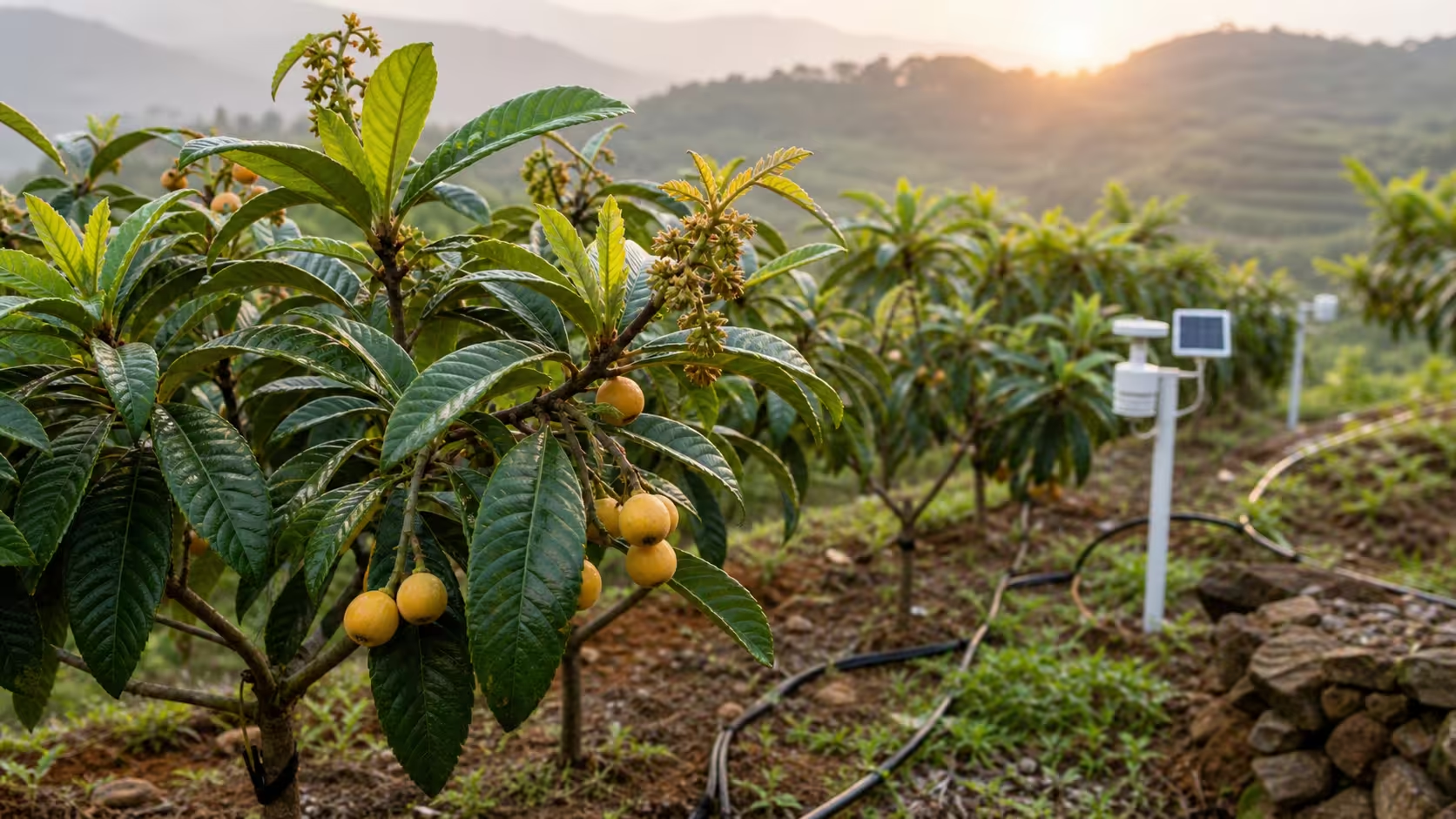
Loquat orchards do not need a heavy digital stack first. Five data points are enough to start: root-zone soil moisture, drip irrigation duration, air temperature and humidity, summer shoot length, and leaf-disease photos. A small weather station, soil sensor, valve controller, and orchard camera linked to a phone help managers decide when to fertigate, drain, or slow shoot growth. Cooperatives can also log pruning dates, fertilizer batches, and scouting records to track bloom timing more accurately later.
6. Keep the sequence steady for next spring’s flowers
The work order matters: complete postharvest pruning first, apply the split fertilizer program second, decide on shoot control according to tree vigor third, and finish rainy-season scouting and digital records last. When canopy structure, shoot length, water, and disease pressure are stabilized early, the orchard has a much better base for even flowering and fruit set next season.