Post-Spring Tea Pruning, Fertigation, and Leafhopper Monitoring in Tea Gardens
Post-Spring Tea Pruning, Fertigation, and Leafhopper Monitoring in Tea Gardens In mid-June, mountain tea gardens around Hangzhou enter the post-spring-tea reset window. This guide focuses on light pruning, split fertilization, drainage, root-zone protection, and monitoring for tea green leafhopper and anthracnose. Topics: AgTech, Planting, Smart Agriculture, Solutions.
By mid-June, spring tea is largely finished in western Hangzhou mountain gardens and nearby tea areas across the Yangtze River Delta. The field focus shifts to reshaping the canopy, stabilizing roots, and preparing the next flush. Three mistakes are most common now: pruning too late and leaving an uneven plucking surface, slow drainage after rain that suffocates roots, and delayed scouting that lets tea green leafhopper and anthracnose spread. Current management works best when pruning, fertilization, drainage, and monitoring are handled as one sequence.
1. Level the plucking surface first and finish the second light pruning before severe heat
The Ministry of Agriculture and Rural Affairs summer-autumn tea guidance recommends finishing the second light pruning before late July, with the new cut 5 to 10 centimeters above the previous one. In Hangzhou hillside gardens, check whether the canopy is uneven or side shoots are spreading outward before pruning. Hold back if intense heat or heavy rain is imminent so fresh cuts do not lose water or become infected.
2. Split fertilizer applications around pruning, and use groove placement on slopes
Official guidance advises productive tea gardens to top-dress with 15 to 20 kilograms of urea per mu, or 30 to 40 kilograms of tea-specific compound fertilizer per mu, placed in a covered groove along the canopy edge after the summer tea round. On sloping land, placing fertilizer on the upper side of the tea row reduces nutrient loss from runoff. Where root uptake is slow, one foliar feed every 7 to 10 days before the next flush can help, but avoid spraying before rain or during midday heat.
3. Check ditches before rain and shallow-cultivate after rain to protect roots first
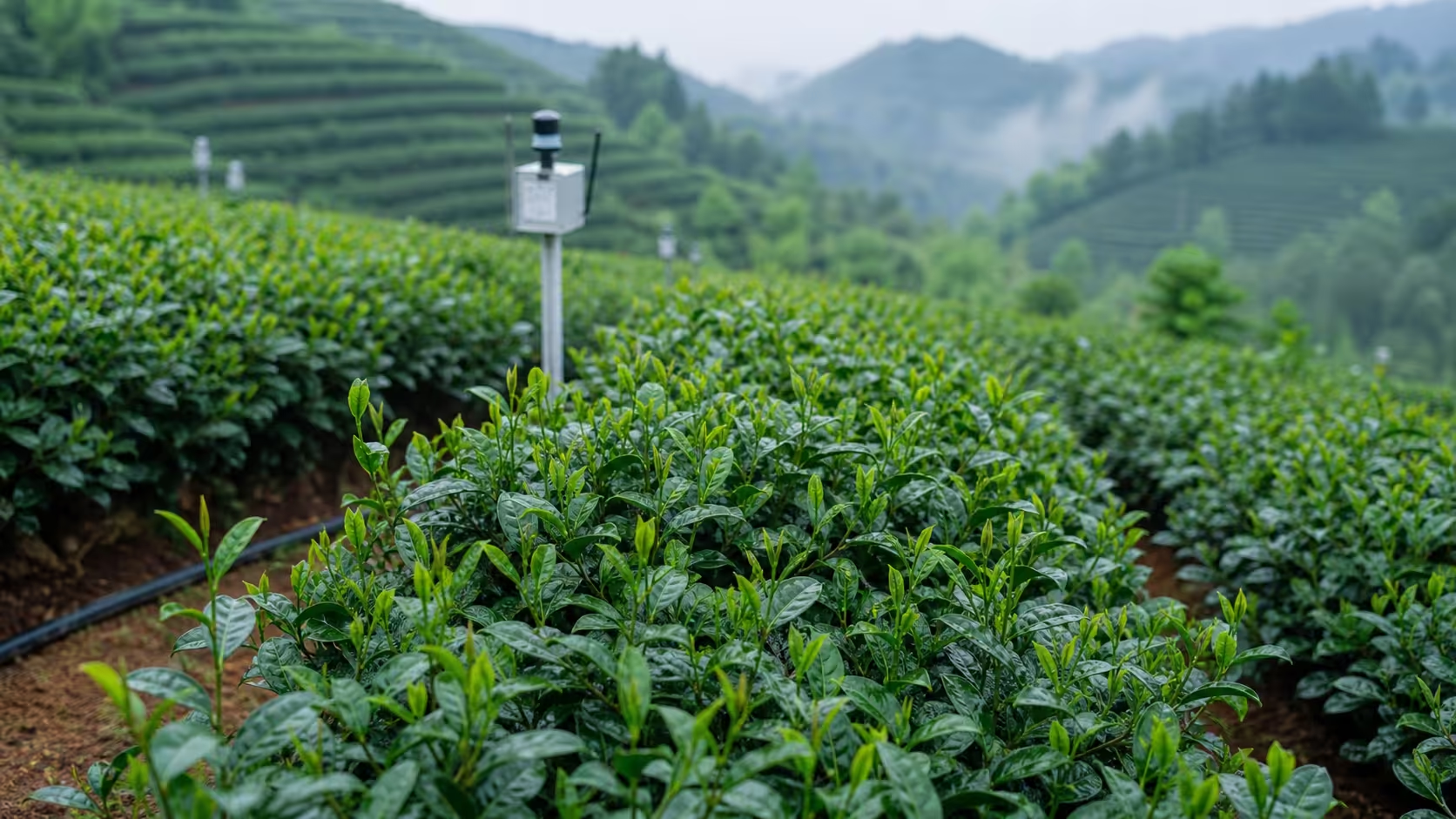
Most Hangzhou tea gardens are on slopes, so drainage ditches, step drains, and road outlets need checking before a rainy spell. National guidance calls for clearing channels before storms and removing silt quickly after them. Once the surface soil dries slightly, shallow cultivation can restore aeration. Remove heavy weeds, lodged branches, and exposed roots the same day; stable roots come before any attempt to push shoot growth.
4. Monitor tea green leafhopper and anthracnose before deciding on treatment
The 2025 tea pest and disease plan lists tea green leafhopper, tea geometrid, and anthracnose as key risks in the Jiangnan tea region, which includes Zhejiang. After spring tea and pruning, start with yellow-red sticky boards, light traps, frequent selective plucking, and weed removal to push pest pressure down. If leaf spots expand or leafhopper counts rise, move to precise treatments using registered products and observed safety intervals rather than blanket spraying.
5. Put trap counts, soil moisture, and pruning batches into one field ledger
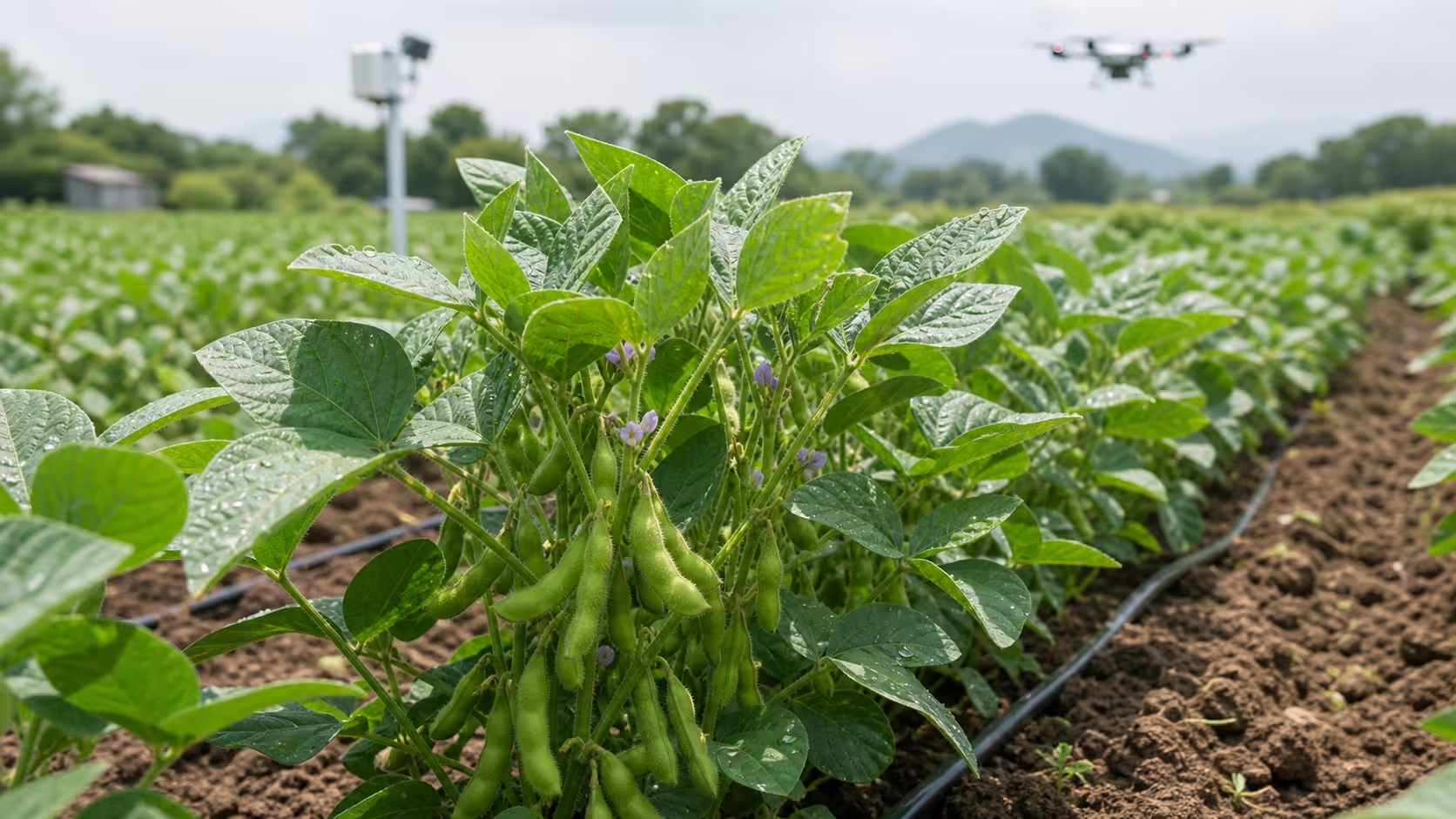
The most useful digital dataset for a tea garden is usually simple: rainfall or air humidity, root-zone moisture, trap count changes, and pruning and fertilization batches. When a small weather station, basic soil-moisture sensor, insect trap, and phone-based scouting records are tied to one field ledger, cooperatives can see which block needs drainage first, which block needs nutrition first, and where leafhopper pressure is building. Better-equipped farms can add drone scouting for leaf inspection and spot spraying to reduce repeated entry.
6. Keep the next flush stable by following the order of canopy shaping, feeding, drainage, and scouting
The order matters over the next few days: level the canopy first, apply fertilizer in splits according to vigor and terrain, protect drainage and soil aeration, and then complete pest and disease records. When that order is respected, roots stay oxygenated, summer shoots emerge more evenly, and both leafhopper pressure and anthracnose are less likely to surge. That also strengthens the base for the next flush and next spring tea.