Grape Cluster Management and Disease Monitoring During the Plum Rain Season
Grape Cluster Management and Disease Monitoring During the Plum Rain Season Mid-June brings plum-rain pressure to grape areas around Hangzhou, Jinhua, and Jiaxing. This guide focuses on cluster load, drainage, rain shelter ventilation, downy mildew and white rot checks, and drip irrigation records. Topics: AgTech, Planting, Smart Agriculture, Solutions.
1. Start with drainage, shelter film, and crop load
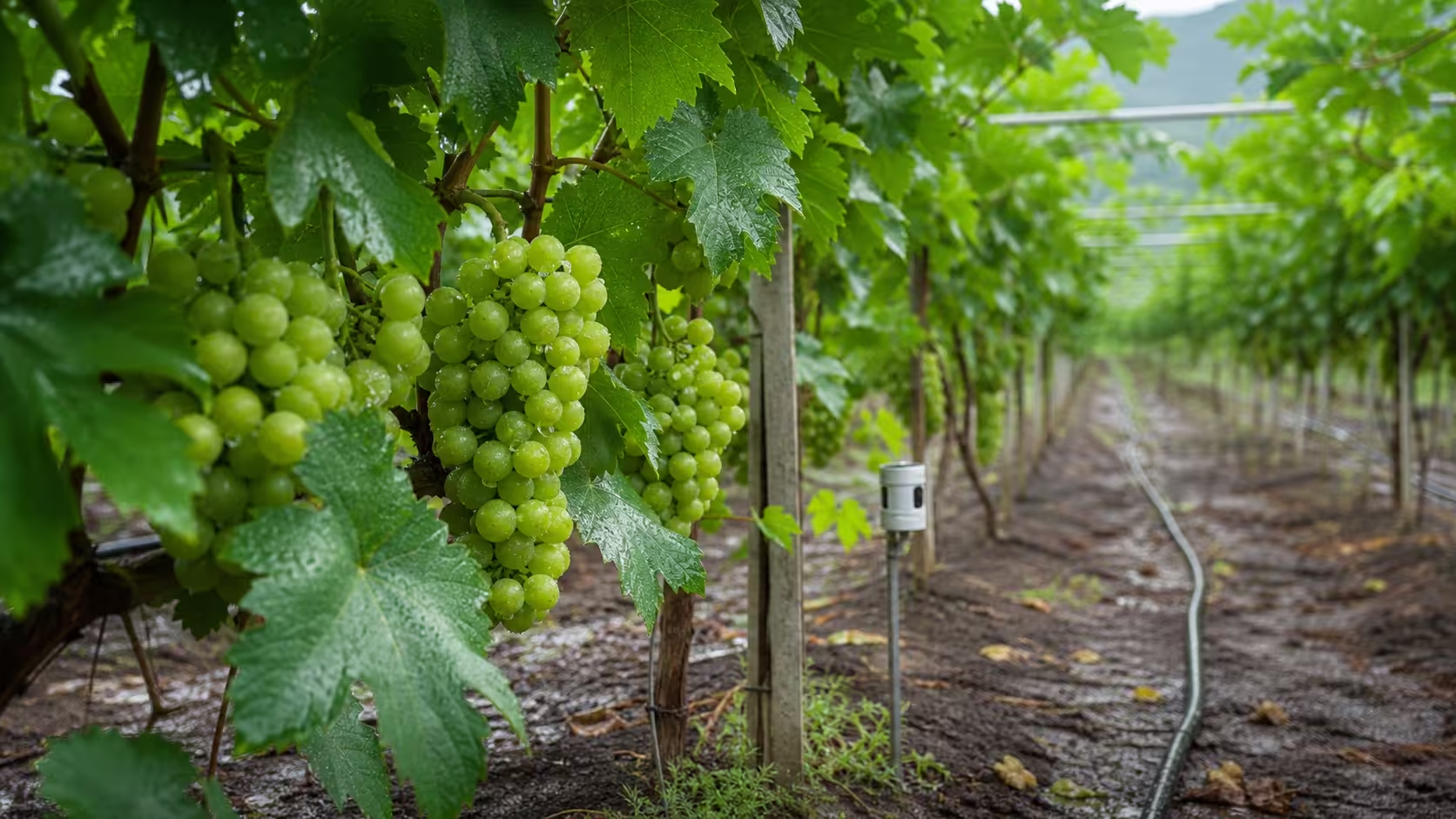
Once the plum-rain season arrives, first inspect field ditches, side drains, shelter vents, and drip lines. Keep one cluster on each bearing shoot and leave weak shoots fruitless. For medium and large berry cultivars, thin clusters to about 40 to 60 berries and remove malformed, diseased, and crowded fruit so airflow improves before humidity builds up.
2. Drain first after rain, then decide on irrigation
Grapes in the post-bloom and berry expansion stage suffer from both waterlogging and uneven moisture swings. Technical guidance for Pujiang grapes requires ditch drainage during the plum-rain period and timely irrigation only when hot and dry weather returns. After rainfall, check ponding and root-zone moisture first. Resume drip irrigation in short cycles only after the root zone starts drying.
3. In berry expansion, control nitrogen and strengthen potassium and calcium
Many early and mid-season cultivars are now in berry enlargement or just before coloring. Fertigation should stay moderate on nitrogen and stronger on potassium and calcium. Weak blocks can receive small nitrogen supplements, while vigorous blocks should reduce nitrogen to avoid rank growth. For bagged fruit, apply a protective fungicide before bagging and do the bagging on a dry morning or late afternoon.
4. Monitor downy mildew, white rot, and rachis browning before spraying
Disease pressure rises quickly in wet weather. Priority checks should focus on downy mildew, white rot, anthracnose, gray mold, and rachis browning. Inspect lower leaves, weak vines near shelter edges, cluster shoulders, and berries with wounds before deciding on any spray. Orchard sanitation, insect netting, sticky traps, and fruit bagging should come first, and pesticide use must follow the registered target and pre-harvest interval.
5. Put irrigation, humidity, and scouting records on the phone
Vineyard digitalization does not need to start with a heavy platform. Four data points are enough to improve decisions: canopy temperature and humidity, post-rain leaf wetness duration, root-zone moisture, and scouting photos with spray records. A small weather station, soil sensor, valve controller, and mobile logbook can help managers schedule drainage, ventilation, drip cycles, and follow-up checks more accurately.
6. Stabilize water, nutrients, disease control, and records in that order
The current work order should stay clear: drain and ventilate first, then thin clusters, then fertigate in small doses, complete pre-bagging protection, and finally update scouting and irrigation records. When the vineyard controls plum-rain humidity, keeps cluster load balanced, and maintains clean field data, fruit coloring, crack control, and market quality stay much more stable.