Yellow Peach Bagging and Orchard Monitoring in Plum-Rain Season
Yellow Peach Bagging and Orchard Monitoring in Plum-Rain Season In mid-June, yellow peach orchards around Jiashan and Hangzhou enter the fruit expansion and bagging window. This guide covers thinning, drainage, bagging timing, brown rot and oriental fruit moth scouting, and digital records. Topics: AgTech, Planting, Smart Agriculture, Solutions.
By mid-June, orchards around Jiashan, Hangzhou, and nearby Yangtze Delta production areas enter the plum-rain season just as yellow peaches move into fruit expansion and bagging. Three risks rise together at this stage: poor thinning leaves uneven fruit load, continuous rain raises canopy humidity and fruit disease pressure, and late bagging allows insect or rubbing damage to appear first. The current job is to connect thinning, moisture control, bagging, and monitoring into one workflow.
1. Fix the crop load before hard pit
Technical standards for yellow peach call for strict thinning from about four weeks after bloom until before hard-pit stage. Remove misshapen fruit, diseased fruit, insect-damaged fruit, crowded fruit, and weak small fruit first so the remaining fruit is spaced evenly on the bearing shoots. Early thinning makes later bagging, fertigation, and grading much easier.
2. Clear drains and open the canopy before the plum-rain pressure builds
Zhejiang receives its heaviest rainfall from March to early July, with the plum-rain period as the main rainy season. In the orchard, inspect perimeter ditches, cross drains, and wet spots around the tree row first. Then trim hanging shoots and excess inner canopy growth so air can move through quickly. Faster drying of leaves and fruit reduces pressure from brown rot, anthracnose, and bacterial shot hole.
3. Bag soon after physiological fruit drop ends
The standard recommends bagging after physiological fruit drop. Before bagging, apply one registered low-toxicity broad-spectrum insecticide and fungicide treatment that fits green production rules, then bag promptly. Use dedicated paper bags with good ventilation and resistance to wind and rain. Handle fruit gently and fasten the bag opening securely without injuring the stem or fruit surface.
4. Watch brown rot, shot hole, and oriental fruit moth first
Common diseases in peach orchards include brown rot, anthracnose, and bacterial shot hole. Common insect pests include aphids, oriental fruit moth, and peach fruit borer. During scouting, check the middle and lower canopy, shoulder area of the fruit, rubbed fruit, and rain-prone wet zones first. Remove fallen fruit and diseased shoots the same day. Yellow sticky cards, insect lamps, food lures, pheromone traps, and mating-disruption tools can reduce pressure before chemical control is needed.
5. Put rainfall, trap counts, and bagging batches on the phone
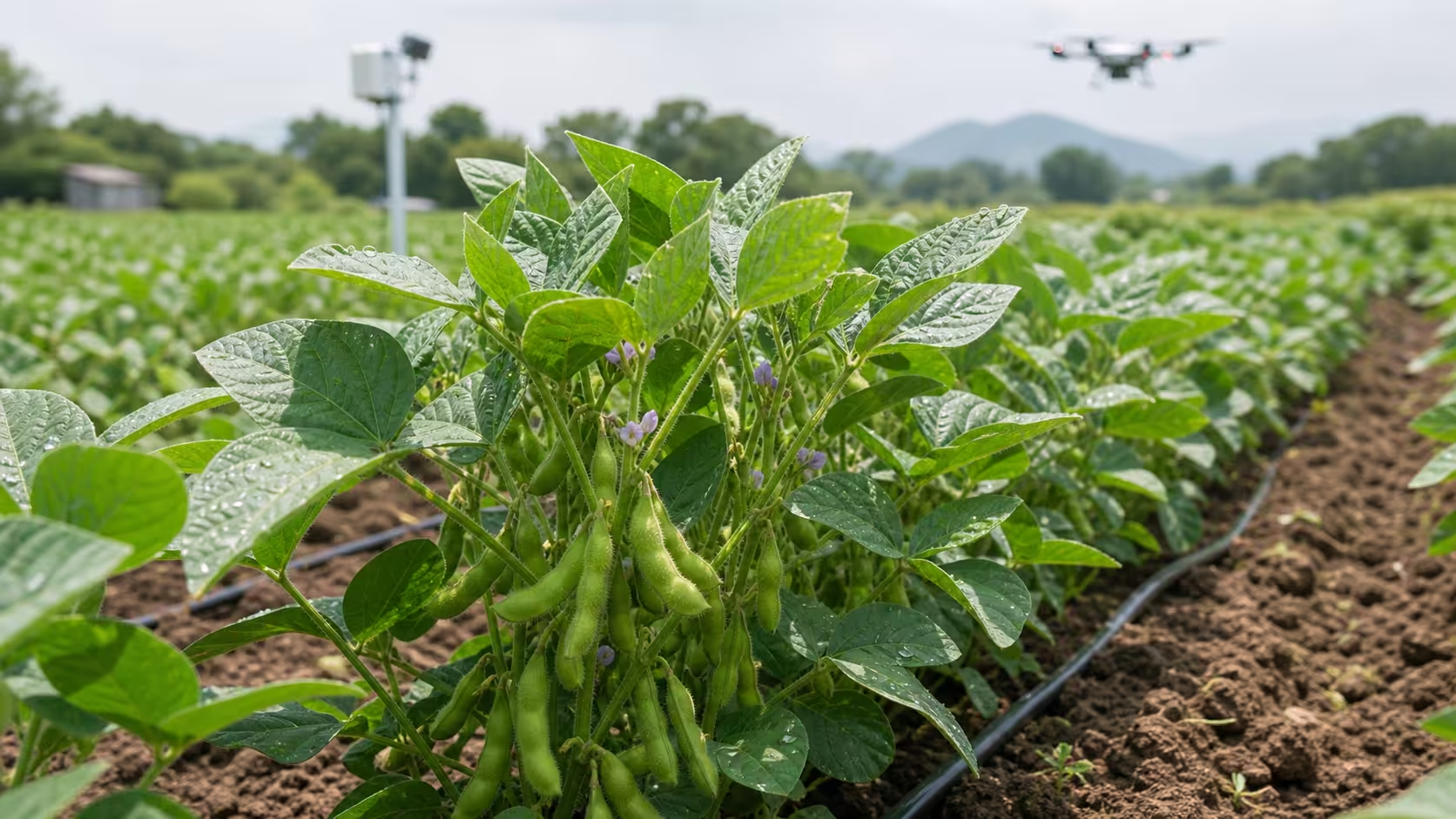
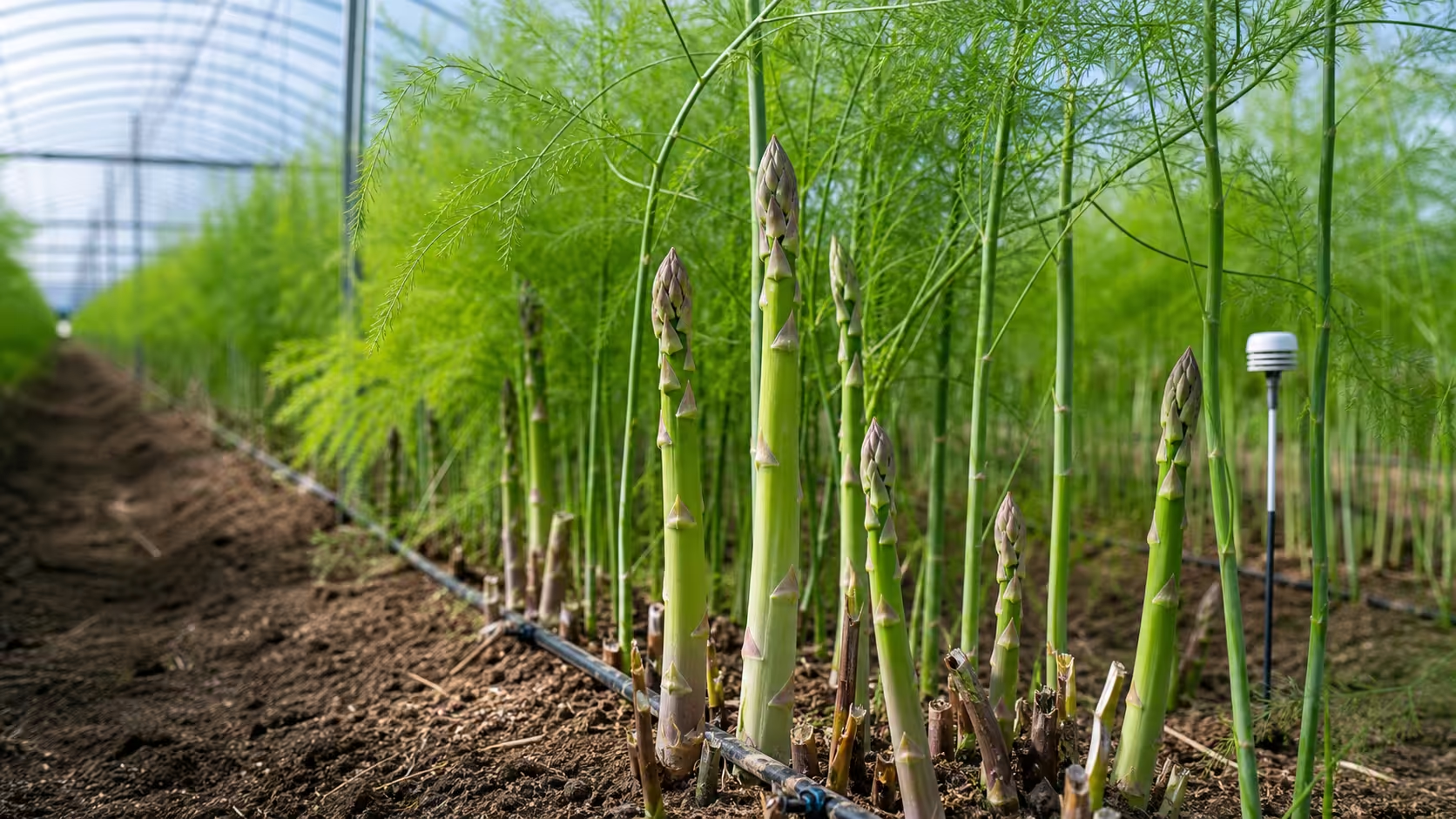
Yellow peach orchards do not need a heavy digital system first. Five data points are enough to start: rainfall and air humidity, root-zone soil moisture, trap-count changes, bagging batches, and photos of spots or lesions. A small weather station, soil sensor, smart traps, and a mobile field log help managers judge potassium topdressing timing, reinspection windows, and whether missed fruit needs rebaging. Cooperatives can also store bagging dates, scouting records, and harvest batches for later traceability.
6. Thin first, dry the orchard second, bag third
The sequence matters in these days: finish crop-load thinning first, restore drainage and canopy airflow second, complete bagging and batch records third, and keep pest and disease checks running after that. When humidity is lowered early and bag integrity stays high, the orchard faces much less cracking, fruit rot, and preharvest rework.