Yangmei Harvest and Plum-Rain Pest Monitoring Guide
Yangmei Harvest and Plum-Rain Pest Monitoring Guide As the plum-rain season reaches Zhejiang, yangmei enters the main harvest window. This guide covers timely picking, drainage, fruit fly monitoring, pre-cooling, grading, and sensor-based orchard alerts. Topics: AgTech, Planting, Smart Agriculture.
Yangmei Harvest and Plum-Rain Pest Monitoring Guide
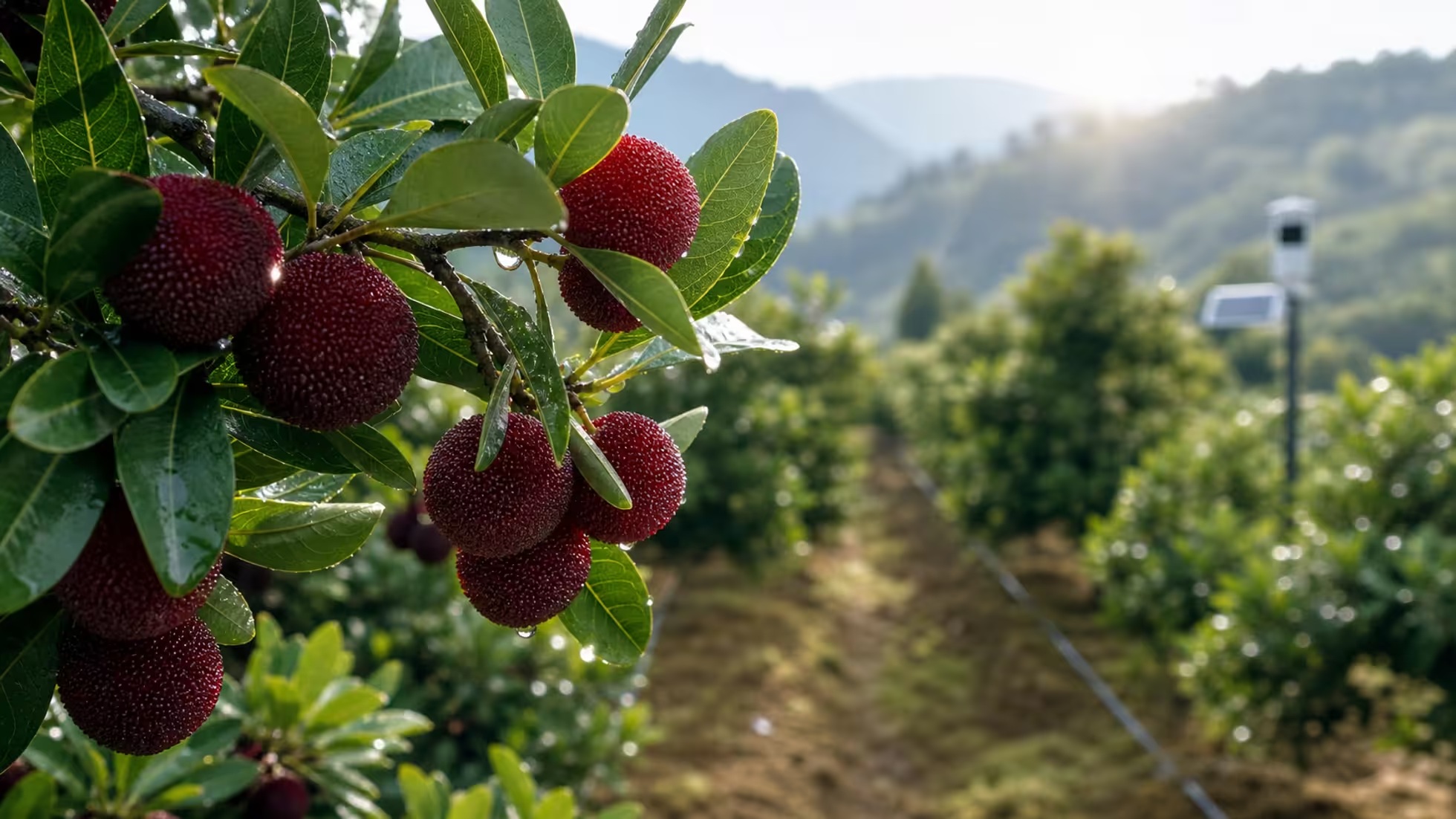
Early June in Hangzhou and much of Zhejiang marks the start of the plum-rain season, and yangmei is entering its main harvest window. At this stage, the biggest risks are rain-driven fruit cracking and rot, plus faster spread of fruit flies and fungal problems under high humidity. Harvest, drainage, monitoring, and cooling need to be managed together.
1. Harvest by weather window, not by habit
Yangmei bruises easily. Picking during rain or immediately after rain raises damage and decay. Use short sunny breaks to harvest ripe fruit in batches, with light handling and shallow baskets. After rainfall, wait until leaves and fruit surfaces dry. Remove dropped, split, and soft fruit separately and do not mix them with market fruit.
2. Drainage and rain shelter come before disease control
During the plum-rain season, first check whether orchard ditches are clear, especially in low spots on slopes. Avoid long root-zone waterlogging. Orchards with infrastructure can use top rain cover or insect netting before harvest, while keeping ventilation open to control humidity. Clean fallen fruit, diseased fruit, and broken shoots on the same day after picking to cut secondary infection sources.
3. Monitor pests before spraying
Current field checks should focus on fruit flies, sap-feeding pests, and humidity-related fruit rot and anthracnose. Inspect traps, yellow sticky cards, and food attractants every day. After rain, inspect the inner canopy, dense fruiting zones, and picking paths again. Start with physical control and sanitation, then use registered products precisely and respect the pre-harvest interval.
4. Pre-cool and grade within two hours after harvest
Yangmei loses water and softens quickly after picking. Postharvest handling directly affects shelf life and losses. Keep harvested fruit shaded, then finish pre-cooling, first grading, and packing within two hours where possible. For longer transport, use cold rooms, refrigerated vehicles, or insulated crates, and keep harvest batches and maturity levels separated in records.
5. Four data streams bring the highest digital value
Yangmei orchards do not need a complex platform first. Start with four data streams: rainfall and air humidity, soil moisture, trap counts, and harvest batches. A small weather station, soil-moisture sensors, smart insect-monitoring devices, and orchard cameras connected to a phone can give fast alerts during continuous rain, pest spikes, and harvest peaks. Larger orchards can also track pre-cooling temperature, sorting records, and shipment batches for traceability.
6. This week’s checklist
Clear drainage ditches, recheck traps and sticky cards, and prepare shallow baskets, shade cloth, and pre-cooling space. Harvest ripe fruit during dry windows, then complete another pest and disease inspection within 24 hours after rain. In protected orchards, also inspect film, vents, and netting. When pre-harvest monitoring, gentle picking, and rapid cooling are managed as one workflow, yangmei quality is much easier to stabilize.